 admin
adminAre you planning to pursue a master’s or PhD abroad but worried about the financial costs? Fully funded graduate scholarships can cover your tuition fees, living expenses, health insurance, and even travel costs, giving you the opportunity to focus on your studies without financial stress. With thousands of scholarships available worldwide in 2025/2026, you can achieve your dream of advanced education if you prepare strategically.
In this guide, we’ll explore how to win fully funded graduate scholarships, the types of programs available, eligibility requirements, application strategies, and tips to stand out as a strong candidate. By the end, you’ll have a complete roadmap to secure funding for your graduate studies.
Why Fully Funded Graduate Scholarships Matter
Graduate education is a major investment, with tuition and living costs often reaching tens of thousands of dollars per year. Fully funded scholarships eliminate financial barriers and offer additional benefits:
-
Financial Security: Covers tuition, accommodation, health insurance, and stipends.
-
Access to World-Class Universities: Study at top institutions without worrying about costs.
-
Career Opportunities: Funded programs often include research, internships, or networking.
-
Global Exposure: Live abroad, experience new cultures, and build an international profile.
-
Post-Graduation Benefits: Many scholarships provide pathways to jobs, fellowships, or further research funding.
Types of Fully Funded Graduate Scholarships
Scholarships vary by funding source, eligibility, and region. Here are the most common categories:
1. Government-Funded Scholarships
-
Examples: Fulbright (USA), Chevening (UK), DAAD (Germany), Australia Awards.
-
Coverage: Full tuition, living expenses, airfare, and health insurance.
-
Eligibility: Strong academic background and leadership potential.
2. University-Specific Scholarships
-
Many universities worldwide offer full scholarships to attract international graduate students.
-
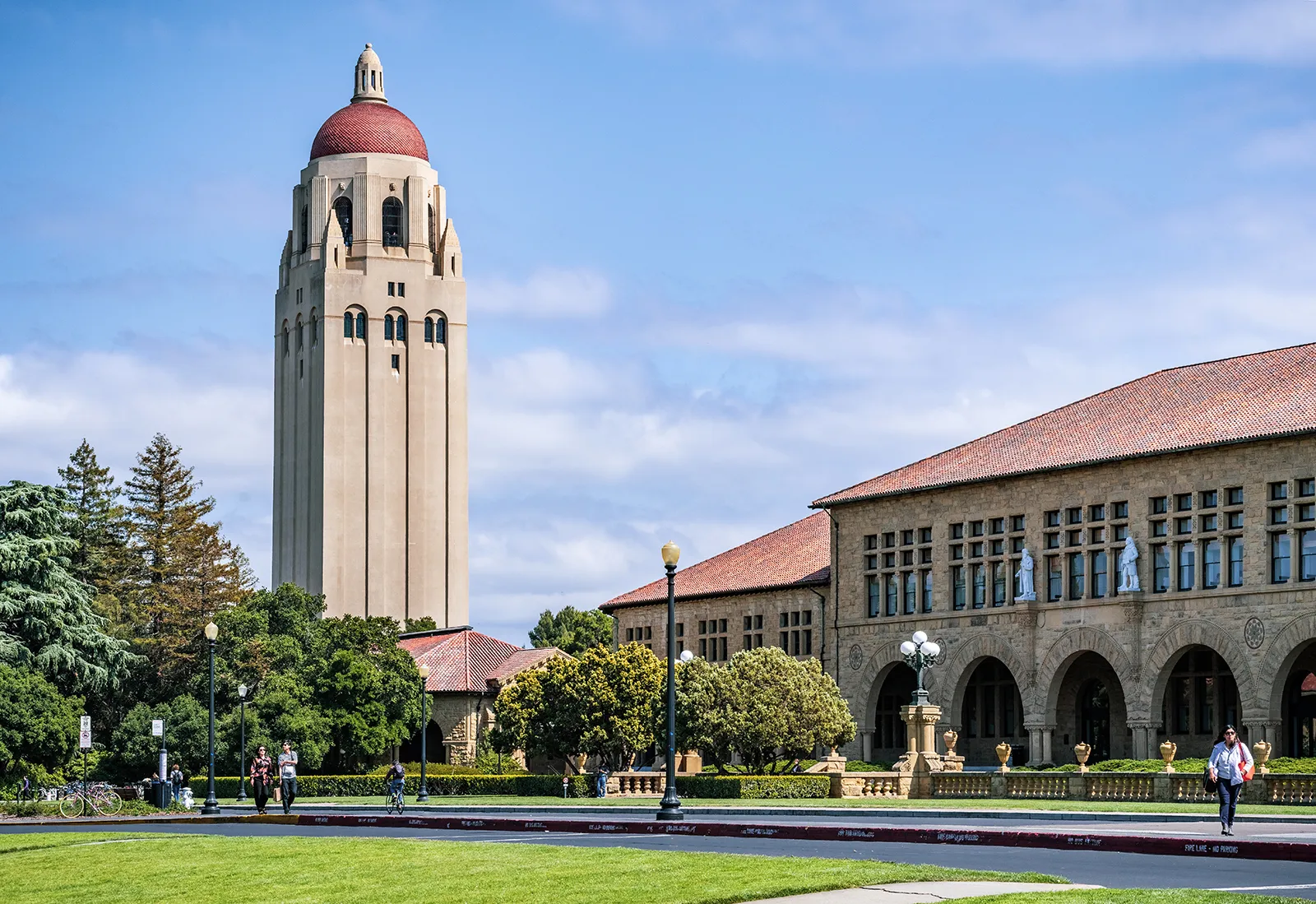
Examples: Rhodes Scholarships (Oxford), Gates Cambridge (Cambridge), Knight-Hennessy (Stanford).
3. Research and Fellowship-Based Scholarships
-
Targeted at students pursuing research in STEM, social sciences, or humanities.
-
Often linked to ongoing projects with stipends and lab funding.
4. Foundation and Organization Scholarships
-
Offered by NGOs, private organizations, and philanthropic foundations.
-
Examples: Mastercard Foundation, Joint Japan/World Bank Graduate Scholarship Program.
Eligibility Criteria for Graduate Scholarships
Though requirements differ, most fully funded graduate scholarships in 2025/2026 require:
-
Academic Excellence: Strong GPA and relevant degree.
-
Research Potential: For PhD applicants, a clear research proposal.
-
Leadership Qualities: Evidence of leadership in academics, community, or work.
-
Language Proficiency: IELTS/TOEFL for English-taught programs, or local language tests (e.g., TestDaF for German).
-
Work or Volunteer Experience: Professional or extracurricular activities can strengthen applications.
Step-by-Step Guide: How to Win Fully Funded Graduate Scholarships
Winning a fully funded scholarship requires careful planning. Follow these steps:
Step 1: Start Early
Begin research at least 12–18 months before your program starts. Scholarship deadlines often close a year in advance.
Step 2: Research Opportunities
Use official scholarship databases such as:
-
DAAD Scholarship Portal (Germany)
-
Chevening UK Scholarships Website
-
Fulbright Program Website
-
University scholarship portals
Step 3: Prepare Key Documents
Most applications require:
-
Academic transcripts and certificates
-
Letters of recommendation (2–3)
-
Curriculum Vitae (CV)
-
Personal statement or motivation letter
-
Research proposal (for PhD students)
-
Language proficiency certificates
Step 4: Craft a Strong Personal Statement
Your personal statement should:
-
Explain why you chose the program.
-
Highlight your achievements and leadership qualities.
-
Demonstrate how you’ll contribute to the university and your home country.
Step 5: Apply to Multiple Programs
Don’t limit yourself apply to several scholarships to increase your chances.
Step 6: Prepare for Interviews
Some scholarships, like Chevening or Fulbright, include interviews. Practice answering questions about your goals, leadership, and study plans.
Tips to Increase Your Chances
-
Maintain Academic Excellence: Strong grades are often the first requirement.
-
Show Leadership and Community Impact: Involvement in NGOs, volunteering, or leadership roles boosts your profile.
-
Tailor Each Application: Avoid generic applications—customize to match each scholarship’s values.
-
Seek Mentorship: Connect with past scholarship recipients for guidance.
-
Polish Your CV: Highlight academic, professional, and extracurricular achievements clearly.
-
Proofread Carefully: Spelling and grammar mistakes can weaken your application.
Common Mistakes to Avoid
-
Applying too late or missing deadlines.
-
Submitting incomplete documents.
-
Writing vague motivation letters.
-
Ignoring eligibility criteria.
-
Failing to demonstrate long-term goals.
Post-Scholarship Opportunities
Winning a fully funded graduate scholarship is only the beginning. After graduation, you can:
-
Pursue International Careers: Many scholarships connect students with global employers.
-
Continue Research: PhD graduates may secure postdoctoral fellowships.
-
Contribute to Home Country: Many scholarships expect recipients to apply skills in their home countries.
-
Build Global Networks: Join alumni groups for long-term opportunities.
FAQs – Fully Funded Graduate Scholarships 2025/2026
1. Can I apply for a graduate scholarship without work experience?
Yes, though some programs prefer applicants with professional or volunteer experience.
2. Do I need IELTS/TOEFL for fully funded scholarships?
Most English-taught programs require it, but some waive the requirement if English was your previous medium of study.
3. When should I apply for 2025/2026 scholarships?
Most deadlines fall between September 2024 and March 2025 for programs starting in late 2025 or early 2026.
4. Do scholarships cover dependents (family)?
Some, like Fulbright, provide partial support, but many do not cover dependents.
5. How competitive are fully funded scholarships?
Highly competitive. Thousands apply each year, so strong academic and extracurricular profiles are key.
6. Can I apply to multiple scholarships at once?
Yes, and it’s recommended to increase your chances.
7. What GPA is required?
Requirements vary, but most programs expect at least a 3.0/4.0 GPA or equivalent.
Winning a fully funded graduate scholarship in 2025/2026 is achievable with the right strategy. By starting early, researching opportunities, tailoring your applications, and demonstrating both academic excellence and leadership potential, you can secure financial support to pursue your dream degree abroad.
Remember: competition is tough, but preparation is the key. Begin building your application today, connect with past scholars for advice, and apply to multiple opportunities. Your graduate journey could be fully funded, opening doors to a brighter academic and professional future.

 admin
admin